The Blood of Dawnwalker

Review
Something to Sink Your Fangs into
by William Thompson
reviewed on PC
Time is money
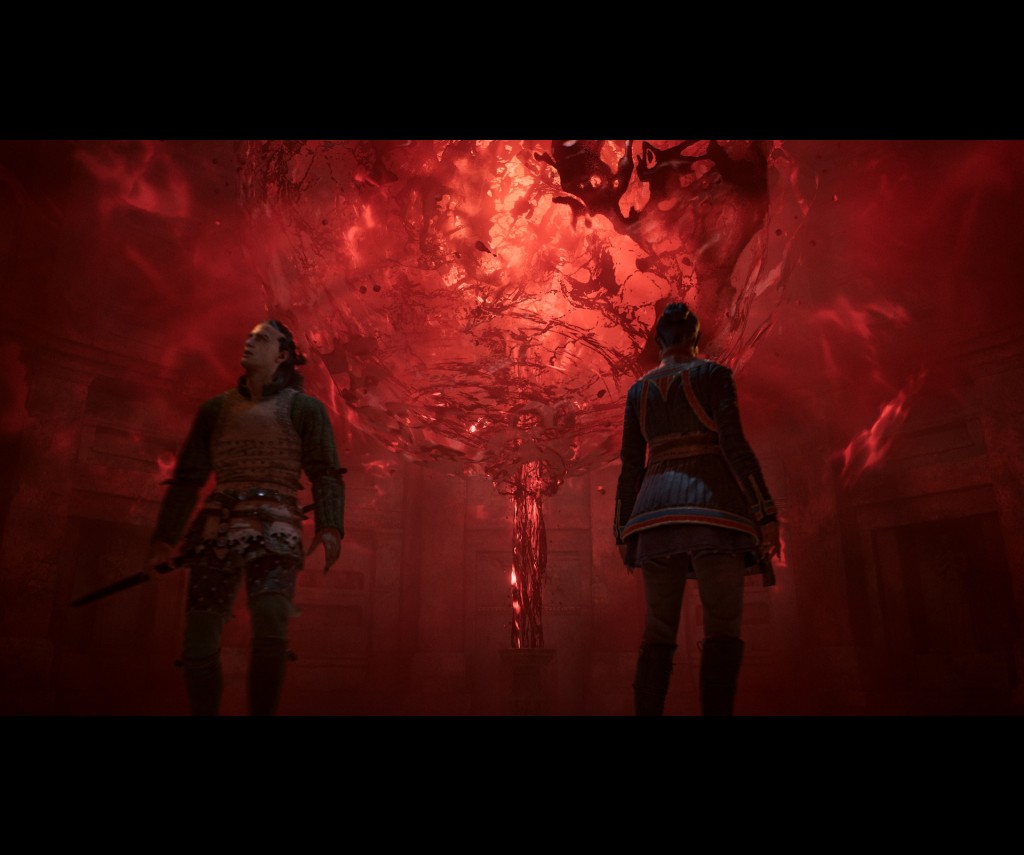
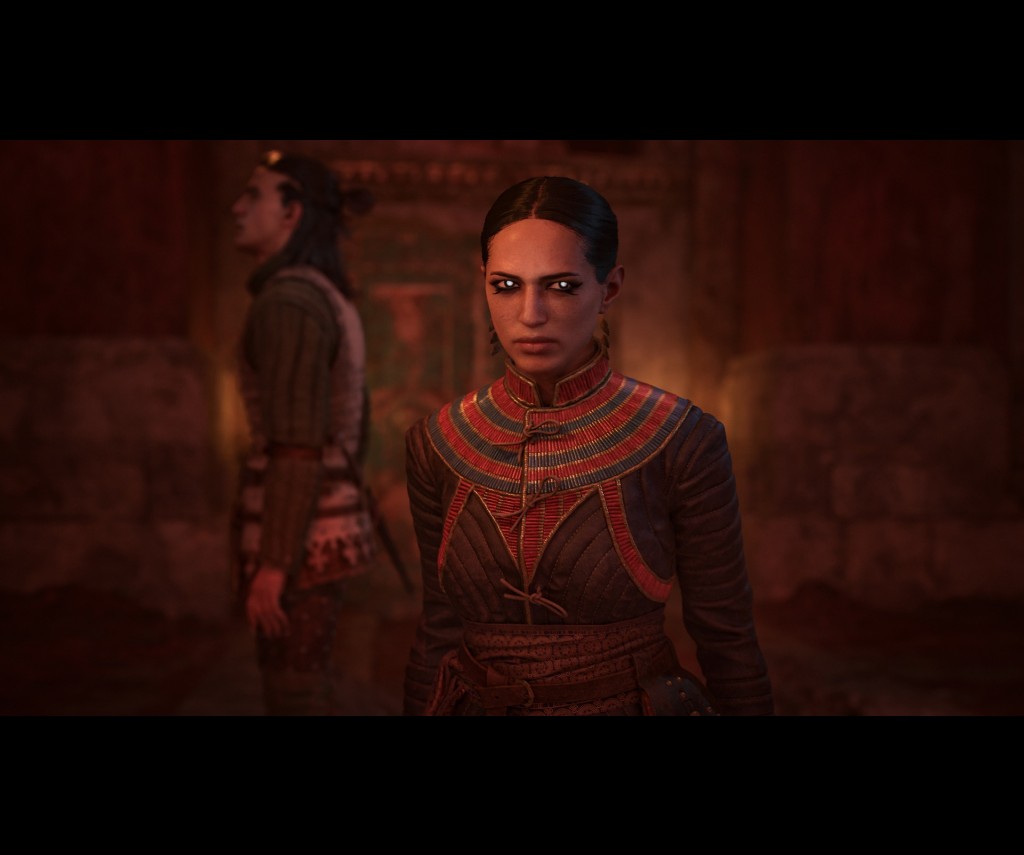
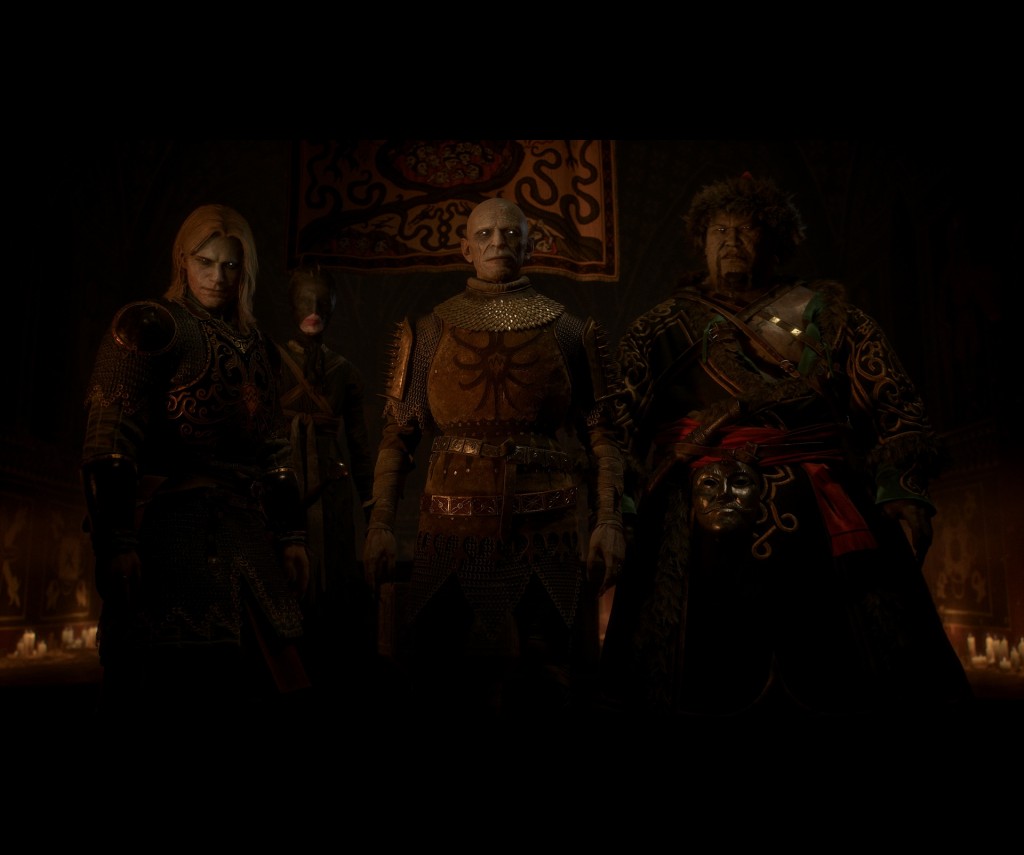
From the moment The Blood of Dawnwalker drops you into the expanse of Vale Sangora, an oppressive hourglass starts dripping away. You play as Coen, a man driven by desperate, personal necessity who has precisely thirty in-game days to storm Brencis' fortified castle and rescue his captive family. Technically, the game does not prevent you from marching straight up to the castle doors on day one if you possess supreme, bordering on delusional, confidence in your blade mastery. However, for almost all players, doing so is absolute suicide. Instead, Dawnwalker is structured around a high-stakes balance of time management and preparation. Players will use those thirty days to systematically explore the countryside, complete narrative story missions and side quests, gather crucial lore, and hone Coen's abilities until he stands a genuine fighting chance against Brencis, the vampire overlord who rules Vale Sangora, and his formidable network of supernatural lieutenants.
It may take a fair amount of time to find your footing in Dawnwalker's combat system, particularly if you play with a gamepad as the developers suggest. While the game strongly recommends a controller, its default layout eschews modern genre standards in a way that can prove jarring early on. Rather than mapping standard light and heavy attacks to the face buttons where players would naturally expect the A and B buttons to govern offensive and defensive actions, Dawnwalker requires you to utilize the shoulder bumpers in tandem with the left thumbstick to execute directional swings and blocks. During my early play, muscle memory repeatedly betrayed me in the heat of battle. Panic-pressing face buttons mid-skirmish routinely resulted in Coen standing completely idle or, far worse, calmly sheathing his sword right in front of an incoming broadsword swing. However, once you overcome that initial hurdle and the scheme finally clicks, the layout becomes surprisingly fluid, precise, and second nature.
You are Dead
That mechanical mastery is non-negotiable because combat in Dawnwalker is uncompromisingly, delightfully brutal. Isolated duels against one or two opponents serve as manageable tests of timing, rhythm, and observation. By watching directional attack indicators and matching the incoming vector with a perfectly timed block, you can daze your opponent and open up a brief, crucial window for a devastating counter-strike. However, the moment you accidentally wander into a roadside ambush featuring half a dozen of Brencis' soldiers, the difficulty spikes exponentially. Spatial awareness and tactical positioning instantly become just as vital as your sword skill, as getting surrounded usually means a swift trip to the loading screen. There were some frustrating times where Coen would get stuck near a wall or another large object and the camera would not allow me to see where other enemies were attacking from. It didn’t occur often, but when you’re in the midst of a battle with five or six enemy guards, this could turn into a life or death scenario.
While Coen possesses a skill known as Omniblock that can shield him from attacks without the need for direction, over-relying on it rapidly depletes his limited stamina pool, leaving him utterly defenseless. Button-mashers will not survive in Vale Sangora; skirmishes against groups or larger individual foes are calculated, multi-minute tests of endurance, stamina management, and disciplined parries. Thankfully, the inclusion of an unrestricted quicksave feature keeps this steep learning curve rewarding rather than punitive, sparing you from having to retrace your steps after every misplaced block.
Knowledge is Power
Character progression in Dawnwalker requires far more than simply grinding out body counts in the wild, as true power is intimately tied to the written word. Scattered throughout the towns, abandoned keeps, and hidden nooks of the world are books, manuals, and ancient texts that you must discover and read to build Coen's prowess over the thirty-day cycle. Reading these materials is the primary way to unlock new combat techniques - expanding his capabilities as both a human warrior and a Vrakhiri - while simultaneously revealing essential crafting schematics for battle consumables and gear.
Once these techniques are unlocked, players must seek out Shrines scattered across the landscape to spend your hard-earned experience points on these newly acquired abilities. These Shrines serve as the vital anchors of your journey, functioning not only as progression hubs but also as fast travel waypoints that offer much-needed relief when managing the relentless ticking of the thirty-day clock. Yet, over-relying on fast travel to jump between quest markers actively deprives you of the game's best moments. Taking the long road across the countryside routinely rewards inquisitive players with rare crafting resources, fascinating background lore from atmospheric non-player characters, and spontaneous encounters with roving soldier patrols that yield much-needed experience points and occasional weapon upgrades.
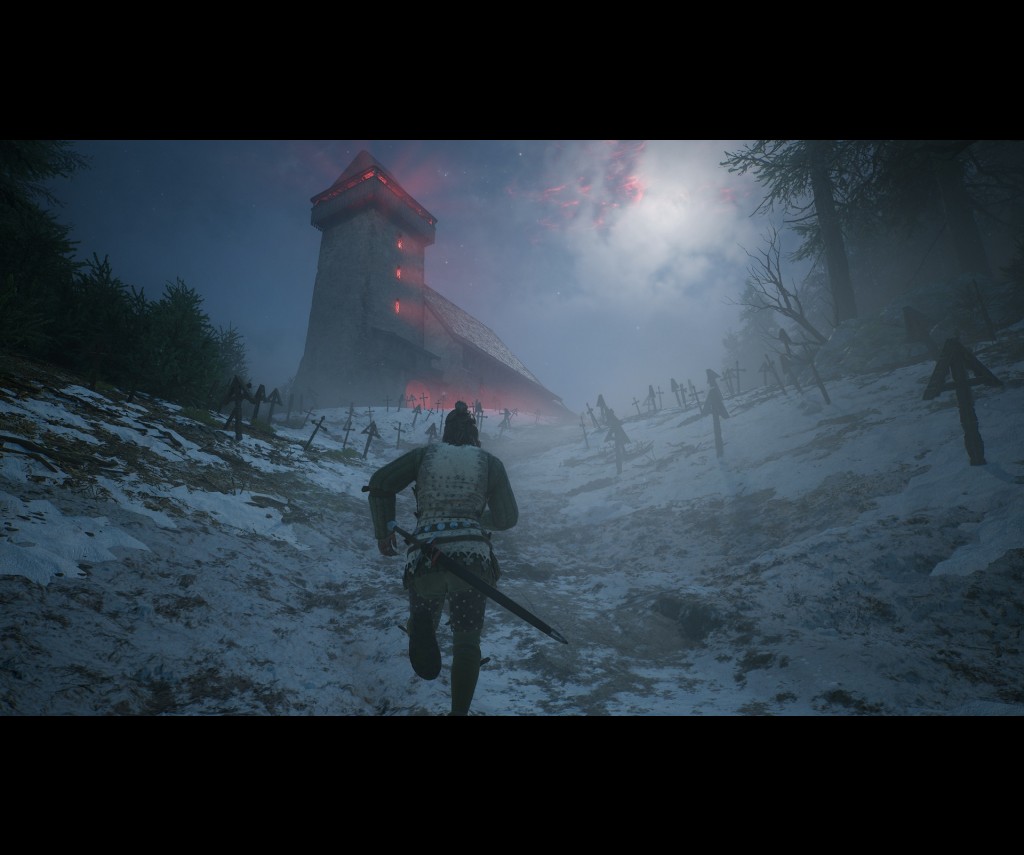
Visually, The Blood of Dawnwalker is nothing short of arresting, presenting a grim, beautifully realized vision of 14th-century Eastern Europe. The landscape is gorgeous in a way that frequently evokes the sprawling, natural grandeur of Red Dead Redemption, seamlessly transposed into a dark medieval epoch. Dynamic day-and-night cycles transform the countryside as light filters through thick forest canopies and casts long shadows across meticulously detailed period architecture and authentic costume designs. Reaching high-altitude scouting locations - which function similarly to the climbing towers popularized by Assassin's Creed - rewards you with sweeping, panoramic vistas of Vale Sangora while conveniently highlighting points of interest on your map.
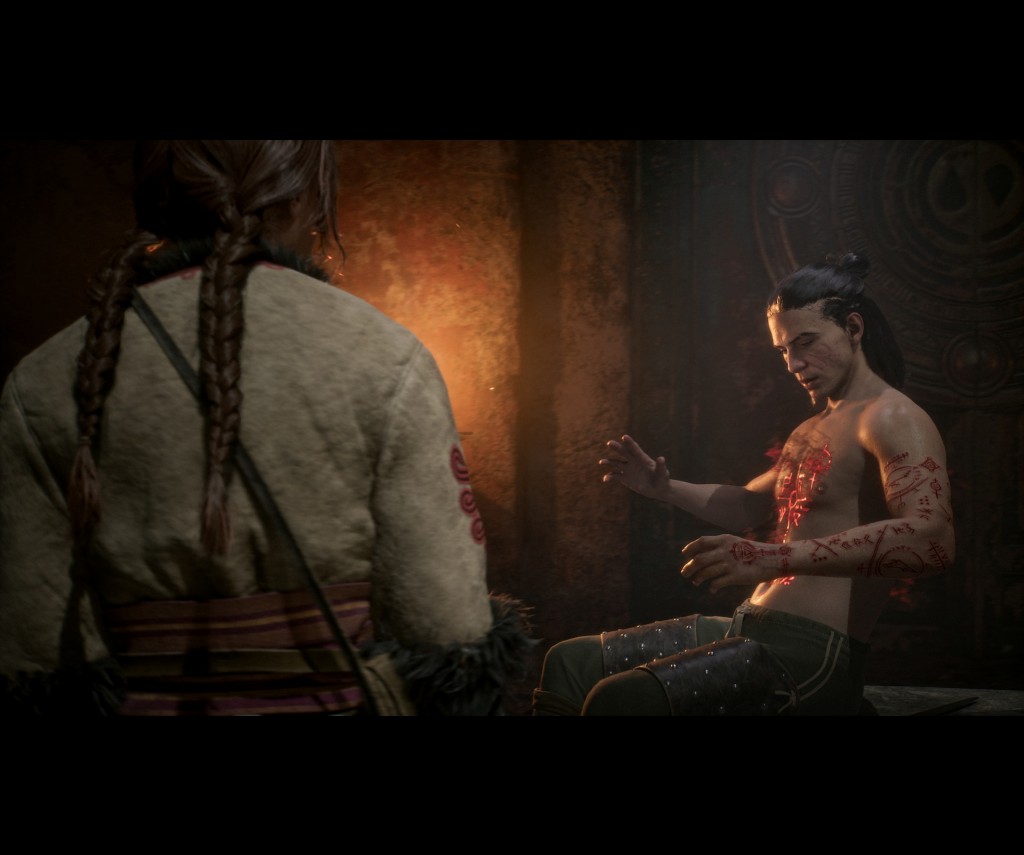
These day-and-night cycles aren't merely for visual splendour. Coen spends the daylight hours as a human, but as the sun sets, his Vrakhiri (vampire) side emerges alongside specialized supernatural abilities - effectively splitting the experience into two distinct playstyles. By day, Coen will replenish health by scoffing down berries, bread and other foodstuffs, while as a Vrakhiri, his thirst for blood will boost his energy. It is then up to players to determine whether you'll quench that thirst on some forest animals, or on human flesh. Other Vrakhiri skills, such as Shadowstep, enable Coen to reach high areas and walk on walls with ease, before dropping down onto unsuspecting foes. By seamlessly integrating these celestial cycles into the core combat mechanics, the developers ensure that Dawnwalker never devolves into a tedious grind.
The visual splendour is matched step-for-step by an equally impressive audio design. The world feels alive thanks to fully voiced acting that adds weight to even minor interactions, while the soundscape of battle is extraordinarily tactile. The sharp ring and heavy resonance of clashing steel during high-stakes sword fights give every strike, parry, and missed blow a tangible, satisfying weight.
Heading back to Vale Sangora
The Blood of Dawnwalker crafts a tightly wound, highly atmospheric action-RPG experience in the mould of The Witcher. By tying a strict thirty-day narrative constraint to deliberate, methodical combat mechanics and deeply rewarding world exploration, it delivers a journey where patience, preparation, and knowledge are just as lethal as the sharpest blade. The day- and-night cycles and the splitting of game mechanics work remarkably well, giving players flexibility as to how they allocate the skill points as they work their way towards the final confrontation with Brencis and saving Coen's family. Because of the strict time limit, it is impossible to see every story branch or complete every side quest in a single run—meaning that, like me, most players will be eager to step right back into Vale Sangora the moment the credits roll.
As always, follow Hooked Gamers on Instagram for news updates, reviews, competitions and more.
9.0
fun score
Pros
Quicksave function lets players save at any point. Day and night cycles effectively split the game into two parts
Cons
Movement can feel a bit jerky. Combat controls can take some getting used to