Nioh 3


Review
The Soulslike with the most
by Jordan Helsley
reviewed on PC
Becoming Shogun
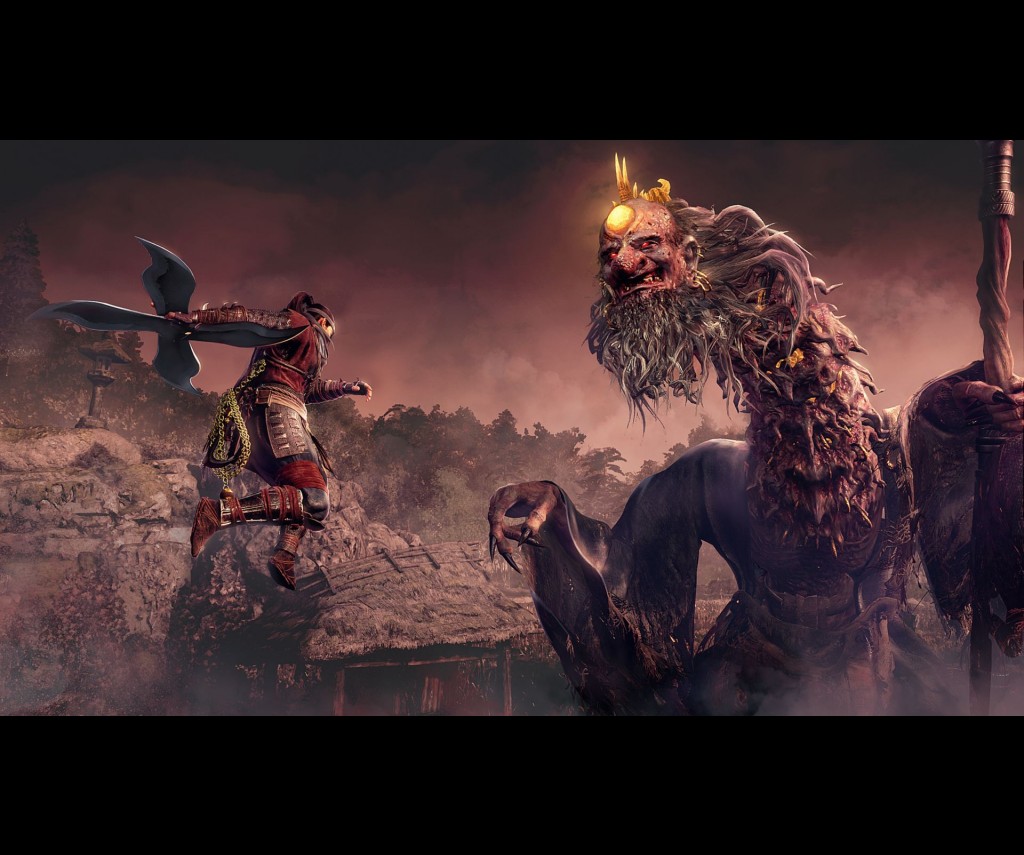
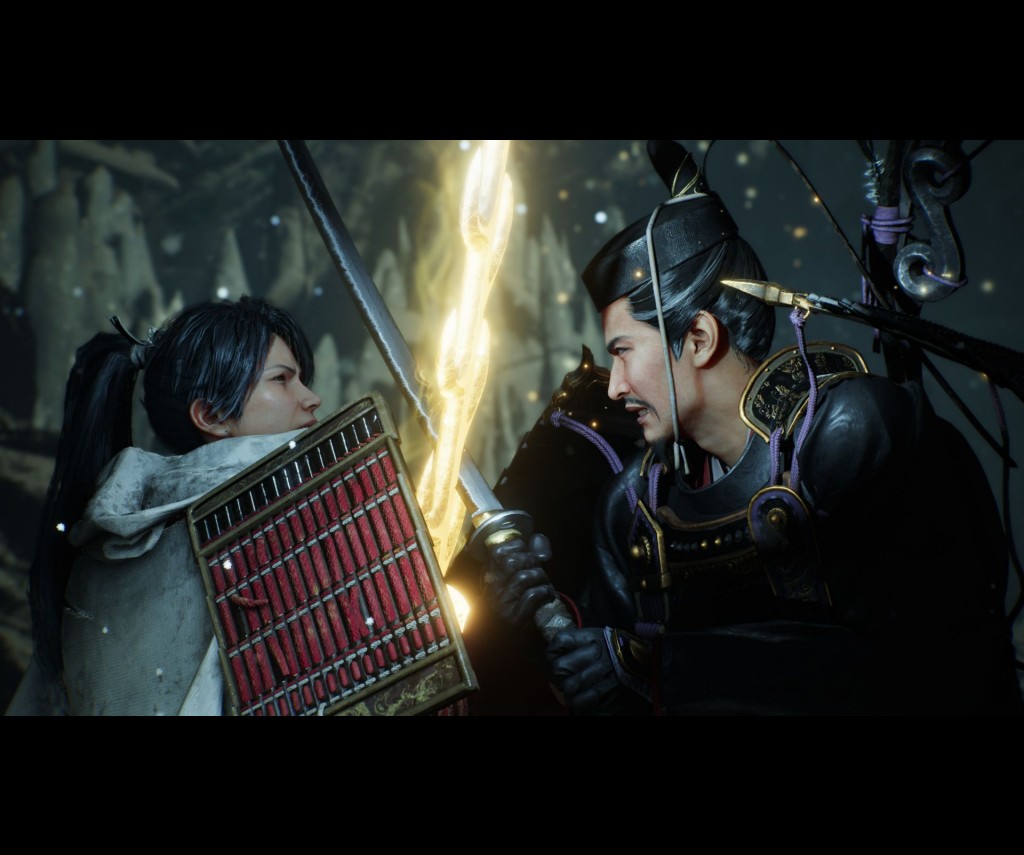
Nioh has always stuck out to me because there’s an alternate history flair to the stories, and Nioh 3 is no different. Instead of the much more common "you are not special" starting place, players assume the role of a customizable grandchild heir to Tokugawa Ieyasu, and fresh shogun of the Tokugawa government, Tokugawa Takechiyo. While Takechiyo is a fictional figure, Japanese history inspires them and many of the events and people surrounding them. This matters thematically because, unlike some unknown figures, there are fighters on your side, proving their loyalty to the new shogun and defending the lord and the shogunate. Even as the monstrous yokai wreak havoc on the world, there's still this political push and pull happening behind the scenes with warring states and even claims to your title, namely from younger brother Tokugawa Kunimatsu who commands a horde of yokai to unseat you.
While they keep the political machinations in the background, they clearly inform the events of the story and the motivations of its characters. These motivations keep the story moving along swiftly, as new characters come into play appropriately, giving suitable stopgaps on the way to the end goal. I won't spoil the finer points, of course, but the story is meaty enough to sustain the runtime, and gracefully accommodates some time travel elements as Takechiyo works to defeat enemies both monstrous and human. The side stories, many of which come from deceased souls, add a little something to the overall narrative, too, often highlighting their own struggles and desires amid the broad battles you engage in as the player. They honestly boil down into small fetch quests more often than not, but they do also provide reasons to go to certain areas, and come with some tailored content therein, too.
Open Worlds and Open-Door Policies
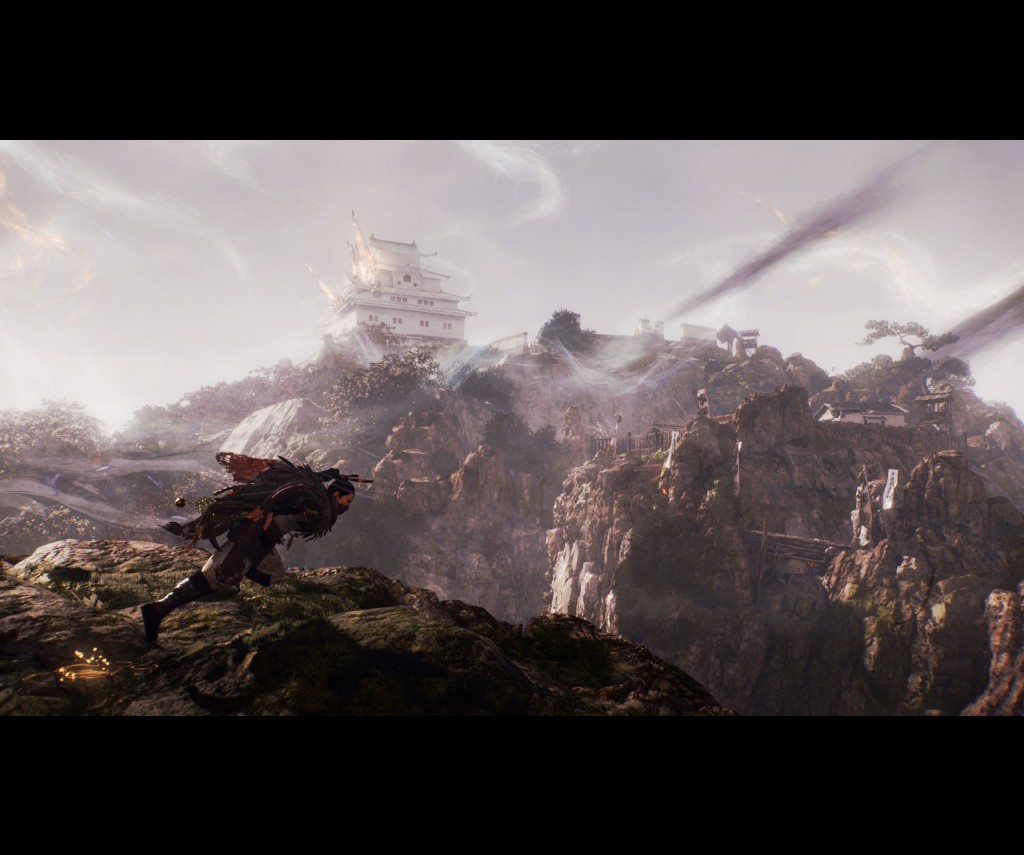
Nioh 3 wastes little time showcasing one of its biggest advancements: the mission structure is gone, and open-world design is here. With that comes a double jump (and, yes, a jumping heavy attack), more intricate, weaving designs, generous fast travel, and paths that are gated by story-unlocked abilities. The sprawling map offers more than just open spaces, but it feels gimmicky as often as it feels precisely designed. Some areas appear open for the sake of it, or have a large enemy constantly throwing something in your direction to funnel you along a path. It does allow for branching paths, circling back to save point shrines via unlocked shortcuts, and a bit of exploration in the physical space, though, and that exploration usually pays off in some way. The map view itself acts as a rough guide when viewed as a whole, but becomes littered with areas of interest and collectibles pretty quickly to flesh it out. A bevy of icons act as lighthouses while moving through these larger segments of the whole, providing direction outside of the main story path that can be helpful when running into a roadblock, but if there is an eventual power imbalance, it feels like busy work running through well-trodden areas defeating the game's many yokai monsters on the way to something new and you're also likely overpowered for. The map also clearly delineates each segment with a recommended level, again guiding the action as it loses a bit of natural exploration charm, but it provides a pleasant sense of scale for the world that they’ve built.
The primary issue with the large map, if there is one, is that it provides the player with too much information. Instead of learning organically that you've stumbled into the wrong area, or finding some semi-secret path to another region, the game spells out boundaries and enemy levels even before it lifts the fog-of-war. Broadly, among the game's many systems and mechanics, it's not afraid to tell the player anything and everything, which is refreshing for the genre. During the initial setup, there's a toggle for the appearance of Amrita Memories, which are the game's tutorials and defaults to on. While playing, tutorial tooltips are not only appearing as its many (many) systems are drip-fed, but constantly throughout the playthrough as contextual reminders if left on. Similarly, in the menus, while sifting through scores of loot that explode out of enemies, fallen soldiers, and chests, there's an option to dig into explanations of every buff and special effect on any screen. There are likewise menu options for the story breakdown and past tutorials, making the total experience only as obscure as each player wants it to be. A bit of this customization extends back to that large map, with the ability to toggle icons on and off at will, but that didn't seem to affect the "mini-map" at all, which feels like the only area of the experience that is intentionally vague and acts more as a compass than anything else (though, to be fair, they call it the Compass, it just looks more like a standard mini-map).
This compass shows the general direction of nearby points of interest, be they collectibles or chests, and also the selected mission or manually placed marker, but it otherwise feels tacked on. It doesn’t show clean paths that act as a guide through an area, show that the nearby chest is behind a wall, or even enemy locations nearby, instead primarily showcasing player movement with a fading trail that showcases the movement path from the last minute or two. It's easy to live with and adapt to, and normally wouldn’t even be an issue, but it feels out of place in a game that otherwise wants the player to know so much about how it works. The large map will populate the location of a path that’s locked behind a skill that won’t unlock for hours, but your compass won't even show where that last enemy is hiding when clearing a base. It feels slightly disappointing.
A Complex Recipe
Nioh 3 would offer a completely different experience if it kept its information as close-to-the-chest as is customary, given how packed it is with systems. It's loot-focused, so expect to spend a fair amount of time in the menus equipping the strongest weapon and highest defense armour, and even more if you're looking to min-max. It goes full loot-shooter or ARPG, and nearly gets there with the management aspect of it all, too. Outside of the ability to "mark as junk," or similar, it provides tools to sort items and view them as desired to speed up the process a bit, but it's a significant part of the experience. The truckloads of unwanted items have several uses, too. Break them down for Amrita (experience currency), sell them for gold (shop currency), or recycle them into crafting materials, depending on the level of interaction that you want to put into it. For me, nine times out of ten I equipped the highest defense items and quickly broke down the rest for an extra level or two, and felt no worse off for it, but the blacksmith offers a ton of depth to even low-level gear. The economy of recycling for mats felt great. I only broke down one or two standard shrine-to-shrine runs, and I had plenty to experiment with for upgrading, modifying, and crafting new gear. Getting attached to a certain weapon or piece of armor has a certain level of viability with this system, but again, there are enough drops that it remains completely optional. There is an effortless transmog system, too, for those chasing style.
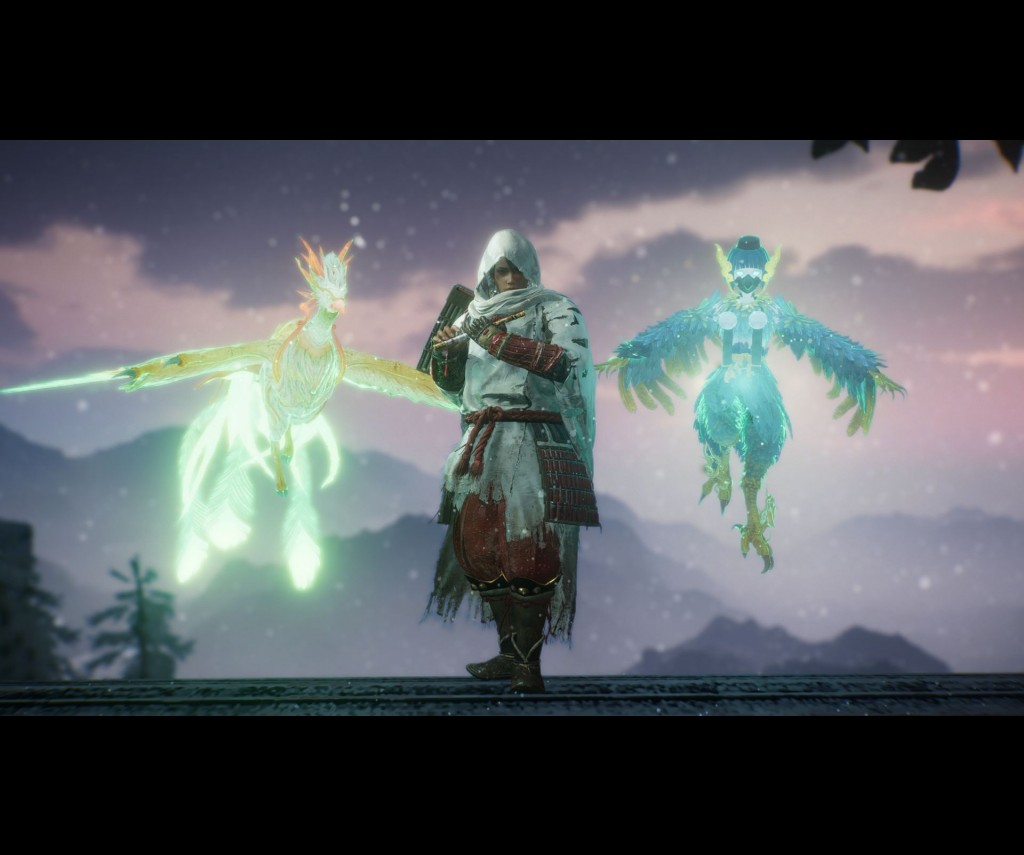
Outside of inventory, there's several other currencies and upgrades to balance as well. You gain levels by spending experience in attributes, as you'd expect, but many of the world's collectibles give further avenues of upgrading the experience, too. Prayer shrines give currency to increase survivability in the Crucible, small, hell-like worlds where the enemies are more deadly. These allow upgrades like Elixir (health potion) effectiveness and drop rate percentages. A similarly stationary set of little frogs give similar currency for standard-world survivability when guided home. Collectible, friendly, cat-like yokai called Scampuss make a return to the series, and give a little something for chasing them down. But it's the floating, stoat-like yokai dropping skill-tree currency (which is also found in-world) that are possibly most impactful. This currency, called Locks, applies to the game's 16 skill trees, one for each fighting style, and for each style's seven melee weapons, with most trees comprising a few dozen nodes. This is where the combat complexity lives, where the fighting game-style combos come together, and it's definitely overwhelming at first. Crucially, the two trees focused on the styles house the most broadly effective upgrades and offer enough depth to focus on while thinking about which specific weapons need some extra love based on play style. Again, interaction with the deepest levels of this system remains optional. I could focus on the main trees, acquiring things like the parry mechanic, and let the currency build up in the background for dozens of hours before I decided on which weapons I truly wanted to stick with.
Blooding The Blades
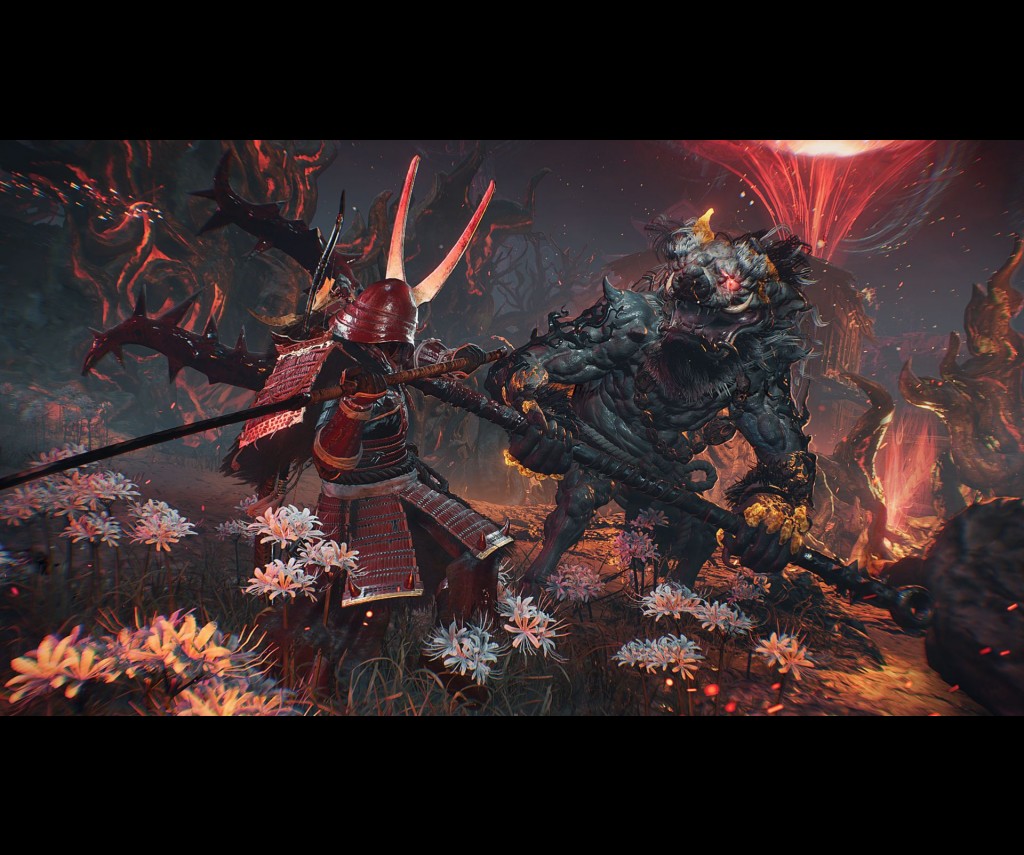
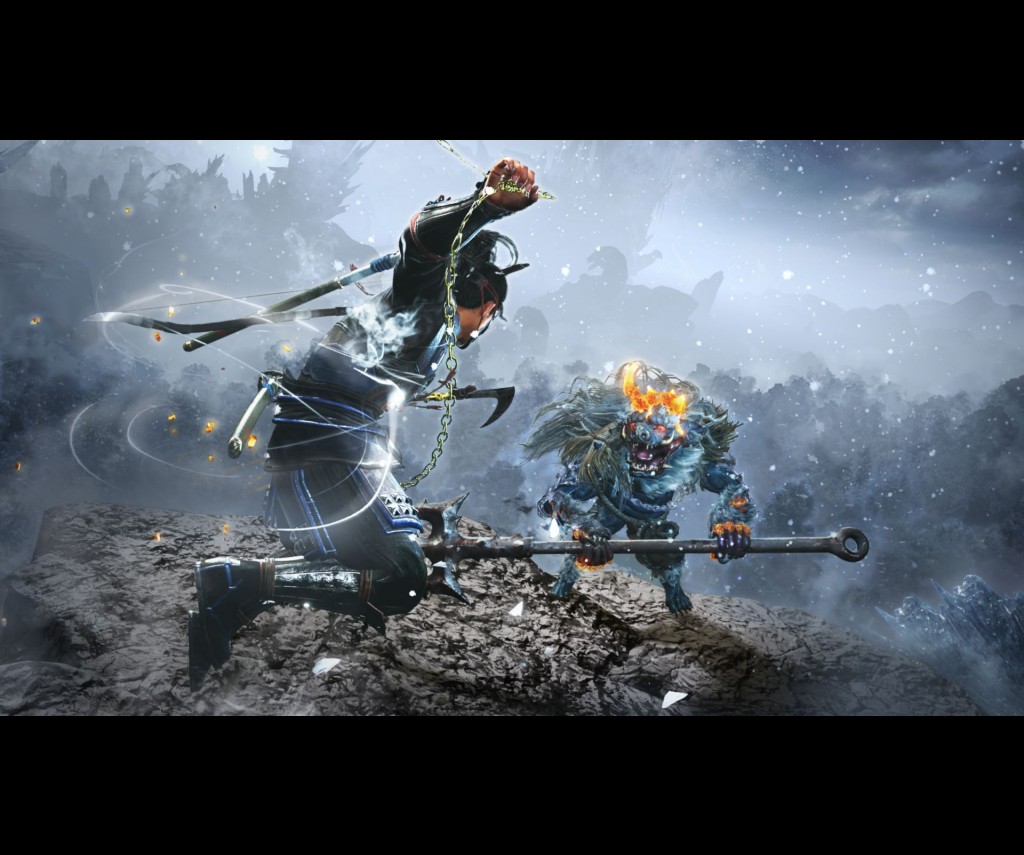
As shown by the series' past, by the developers, and by the skill trees, combat is king in Nioh 3. Not only is it the most satisfying part of the experience, but it's also where the game demands the most of the player. The biggest added wrinkle to the experience is the two distinct styles mentioned previously: samurai and ninja. The samurai style is closest to the other Nioh games. It has three stances (low, middle, high) and the Ki Pulse, a triggered action that, when timed well, regenerates an amount of stamina previously spent on attacks. This pulse also clears auras that enemies can leave on the ground, which prevent Ki (the game's stamina) regeneration. This added element to the dance has been in each game, so returning players will know well the timing, planning, and trade-offs that come with it. Getting hit, blocking, or (normally) dodging while the meter is rebuilding not only eliminates the opportunity to regenerate but leads to further degradation of the meter, and running out of Ki is bad news, as it allows a devastating attack similar to many other games. With the skill trees, building out the samurai style advances the options even more, including a tight and not spammable parry, but separate equippable skills can give further bonuses, like allowing the dodge to perform a Ki Pulse. This loop of combat would be enough. The samurai has seven distinct weapon classes, and working through them, adding attacks both general and stance-dependent, would easily sustain 50+ hours of gameplay, but Nioh 3 doesn't stop there. With the press of a button, the character gives a spinning flourish and transforms into a ninja, anytime, anywhere. The ninja is nimbler, consumes less Ki when dodging, and has unique abilities that coincide with those of the samurai. The Ki Pulse button, for instance, performs an instant dodge after an attack that consumes no stamina and leaves a temporary ghost in your place that keeps aggro for a second. As a result, the ninja cannot dispel the pools that the samurai can, but the stick-and-move nature of the combat feels great and has its distinct purposes. Instead of stances, the ninja has ninjitsu, or tools such as caltrops, bombs, and shuriken. The tools aren't strong, but work great in a pinch for many of the fodder enemies. As far as switching between the two, it's incredibly responsive, allows combat to keep flowing, and helps to counter the genre-staple "big red attacks."
Once familiar with all the mechanics at play in the combat, it feels incredible. Strong enemy and audio design certainly help that feeling, too. Everything feels like it has the appropriate amount of weight, and at the end of trading blows with a tough enemy, the minor explosion of loot combined with some sort of limp amputation gives it some extra spice. Another aspect of this feeling comes from the fact that every enemy is playing by the same rules you are; their Ki drains in the same way yours does. It's another layer on top of the aspects of paying attention to your own meters, but it truly informs when to push to drain their stamina completely, or when to add space to avoid ending up breathless and giving them the upper hand. Mastering these moves and employing extra tricks such as building up a special attack by dealing damage, or unleashing an "ultimate" attack that transforms you into an even deadlier warrior for a minute, really separates Nioh 3 from the rest. If it has a sizable blemish, it's that enemies fairly frequently pull out a (telegraphed, admittedly) grab attack that seems to have a tighter dodge window than even parrying regular attacks, but it otherwise feels extremely fair. Hitboxes match up, the rules are clear; it's just up to you to execute.
Extra Flavours
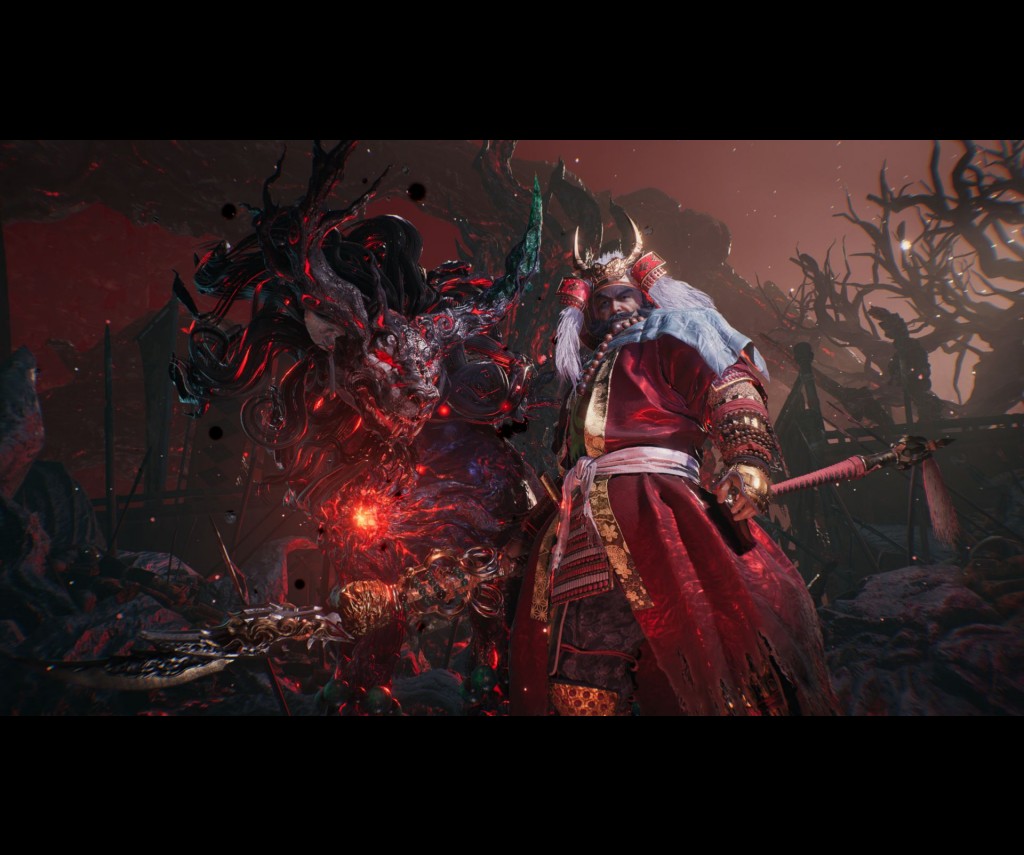
The most impressive thing about Nioh 3 is that it feels like it always has something new to throw at the player. Additional elements to the combat unlock after 30 hours; new areas that coincide with the story appear throughout. A constant stream of side missions pop up while exploring or discovering a new NPC, and the aforementioned glut of things to do on the map never ceases. Enemy "Masters" are some of my favorites. These are difficult samurai/ninja encounters that not only require full control of the character but also sustained focus, as they often lasted longer than boss battles and were much better at punishing depleted stamina. With new skills to equip as a reward, and the ability to rematch freely, I spent a lot of time sparring with these guys.
There's a few other systems that I interacted with minimally, too. Co-op summons allow another player to hop in similar to the AI summoning system, and co-op Expeditions give a broader experience, allowing two players to explore and complete missions. There’s also one other layer in the min-max category, in what the game calls Feats, which are like challenges in several other games (defeat this type of enemy X amount of times, etc) but which give yet another currency to get small buffs. It didn’t seem useful enough to worry about, but they’re bound to stack over time just by playing, so that’s nice.
It has Everything
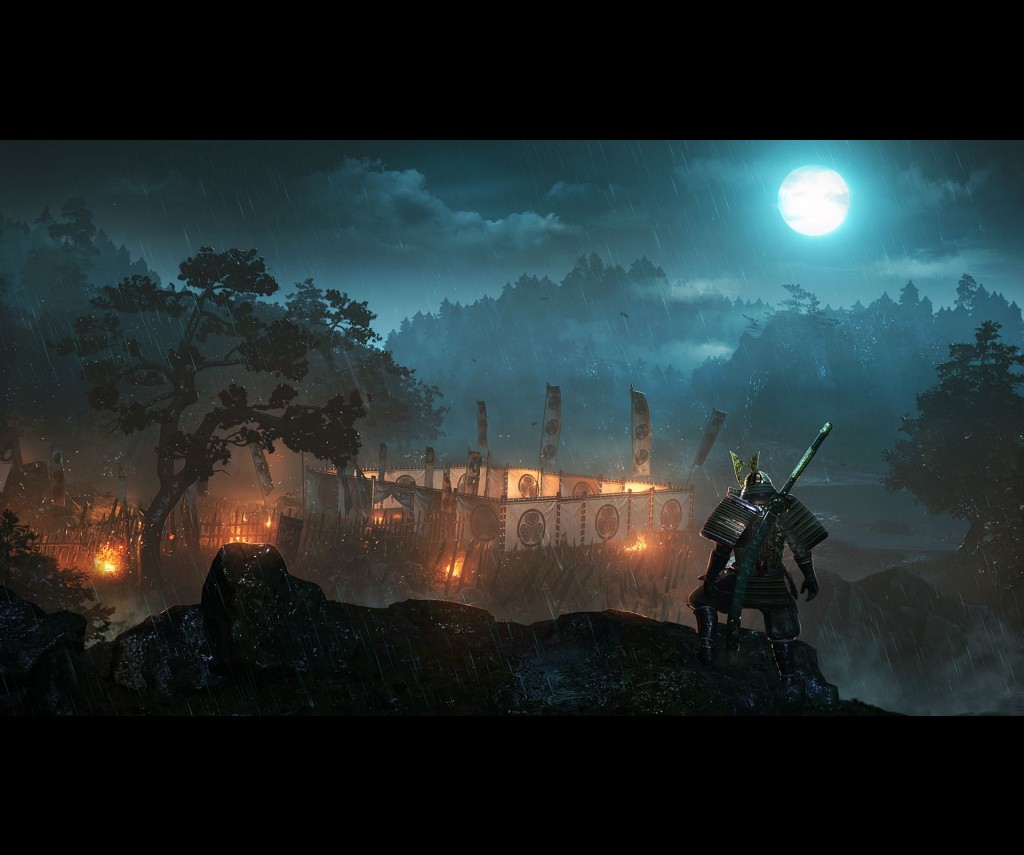
Nioh 3 does it all. And just when you think it has finished doing things, it does some more. Frequently the combat feels akin to a fighting game, the loot and systems surrounding it are reminiscent of true ARPGs, and, of course, it's a soulslike at its core. Yet even as it is doing the most, it takes great pains to ensure the player has all the information they need. While the open-world formula is a little clunky in execution, it remains strong in so many other areas, so it overshadows those shortcomings quite a bit. And the game wraps all of its systems and mechanics in beautiful recreations of historic Japan that are both visually and audibly enjoyable. It's time for Nioh to come out from under the games that inspired it in the first place, and Nioh 3 is proof of that. It's a combat delight through its worlds, with two fighting styles seamlessly blended together, even as it offers a nearly endless stream of challenges and expectations.
As always, follow Hooked Gamers on Instagram for news updates, reviews, competitions and more.
9.0
fun score
Pros
An impressive level of information accompanies the complex and layered systems. Top-tier combat depth and fluidity. Mastering the systems and mechanics feels incredibly rewarding.
Cons
The open world feels cluttered with things to do, which can feel a little like a gimmick or busywork at times. A few too many areas devolve into funneling via a large enemy's ranged attacks. Loot management is clunkier than it should be.